
What is acute rheumatic fever (ARF) and rheumatic heart disease (RHD)?
Key takeaways
- Rheumatic fever is an illness that happens in some people after a germ called Strep A infects the throat or skin (sores).
- For people at risk of rheumatic fever - sore throats and skin sores need to be checked as soon as possible by a doctor or other health professional and treated to stop rheumatic fever developing.
- If the heart is affected during rheumatic fever, this can lead to rheumatic heart disease.
- Rheumatic heart disease is permanent damage to one or more heart valves after having rheumatic fever. Treatment includes regular health check-ups and medicine to keep the heart strong.
- In Australia, rheumatic fever and rheumatic heart disease are mostly seen in First Nations communities. Some Māori and Pacific Islander communities are also at higher risk.
- Young people between 5–15 years old are most affected by rheumatic fever, but adults can get it too.
The Heart Foundation understands that life can be difficult for people living with rheumatic fever and rheumatic heart disease. Supporting elimination of rheumatic heart disease is part of our 25-year vision. We are working towards this by:
- Partnering with First Nations organisations to improve prevention of rheumatic fever and rheumatic heart disease.
- Funding research to improve early diagnosis and treatment options.
- Partnering with the Remote Laundries Project to increase access to washing facilities in remote communities.
- Working with experts to develop clinical guidelines for health staff.
- Delivering the Champions4Change program to give people with lived experience a voice in their communities.
What is acute rheumatic fever?
Germs called group A Streptococcus (also known as Strep A) can cause infections in the throat and in skin sores. The body’s immune system fights the Strep A germs, but for some people, the body’s immune system gets confused. It fights the Strep A germ but also attacks healthy parts of the body including the joints, heart, brain and skin. This attack on healthy body parts causes an illness called rheumatic fever.

What are the symptoms of rheumatic fever?
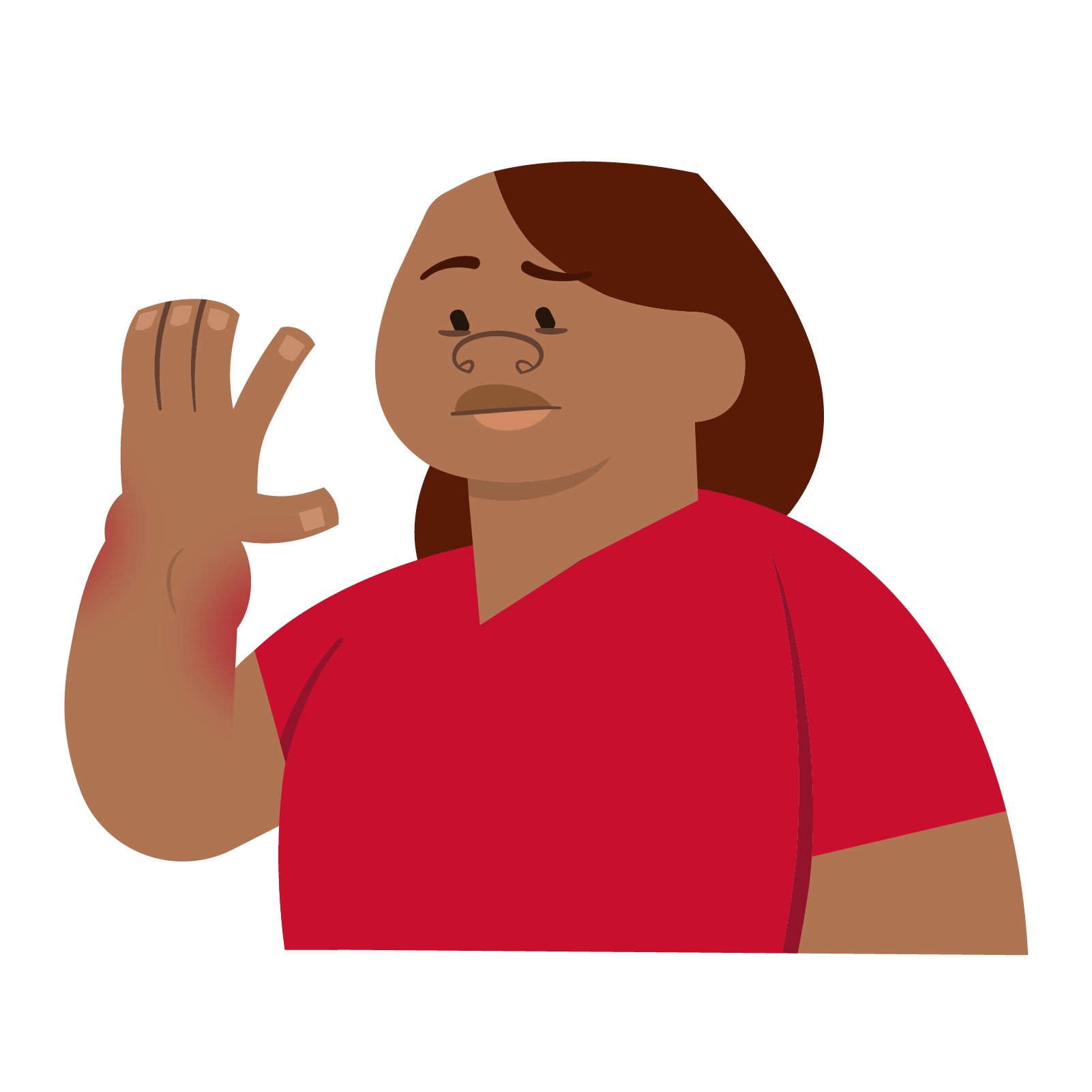
Joints (arthritis/arthralgia): pain and swelling, commonly in the knees, hips, ankles, wrists and elbows. Some people have so much pain they can’t walk.
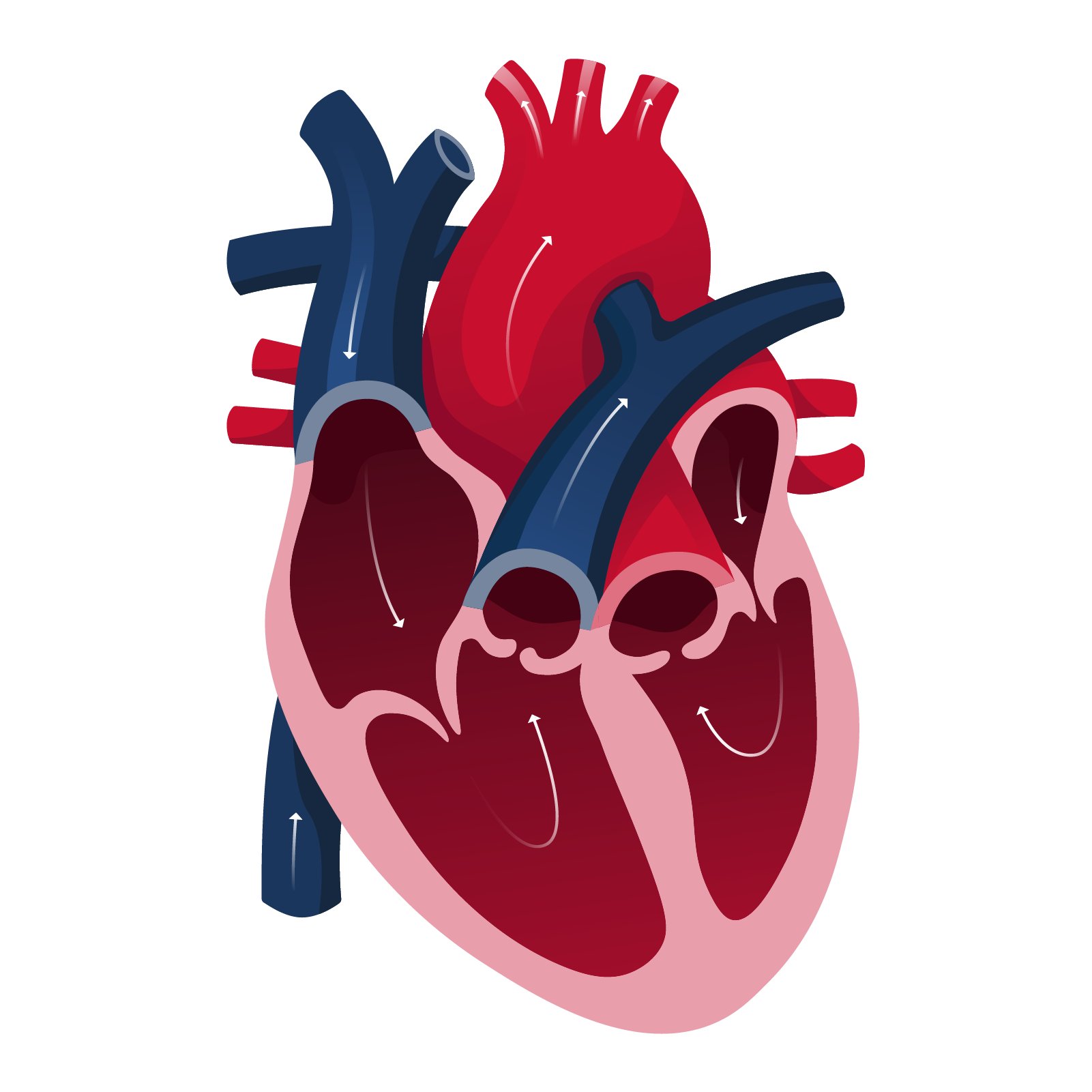
Heart (carditis): swelling of the heart, which may cause chest pain and a heart murmur.
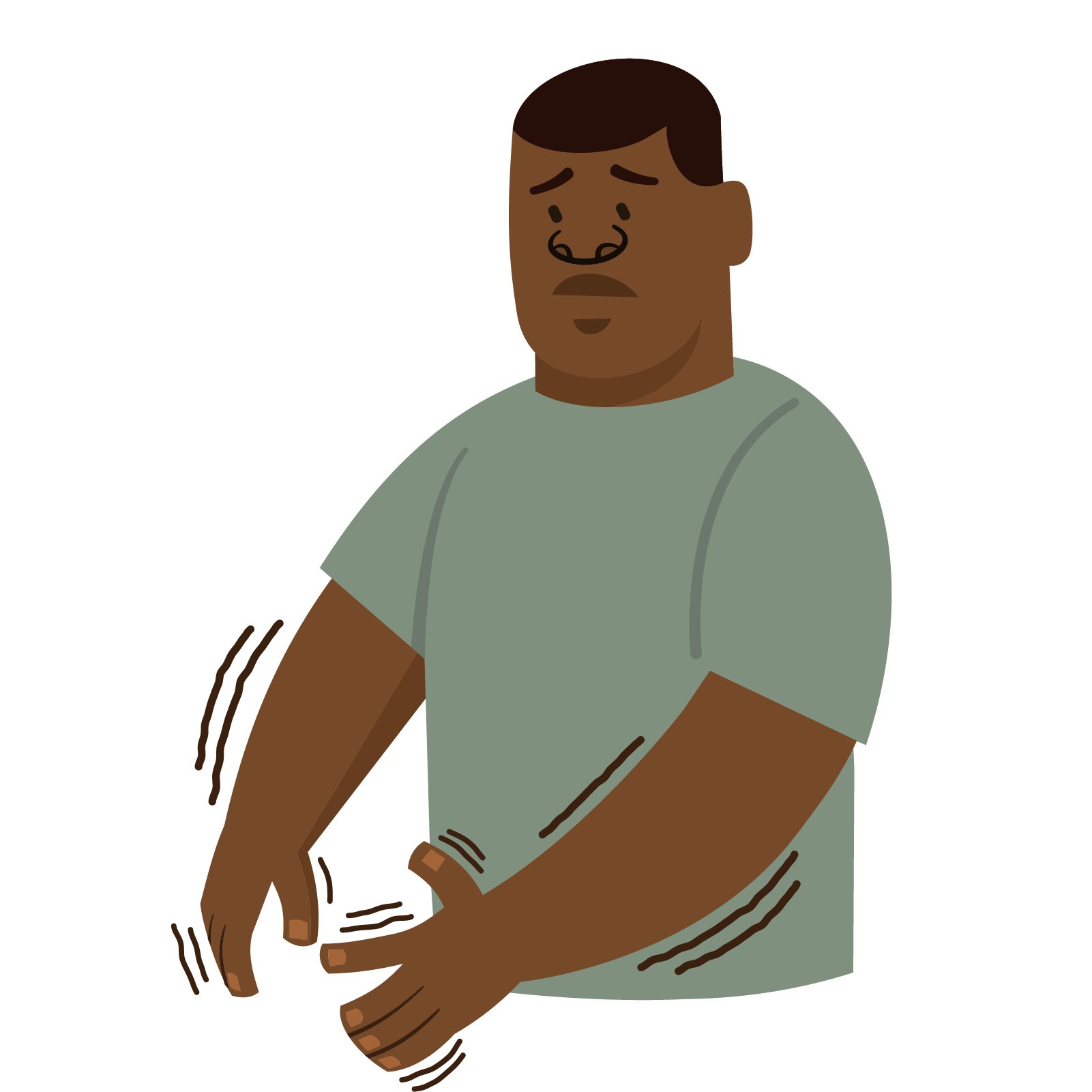
Brain (Sydenham chorea): jerky movements that can’t be controlled. These movements can last for many months but stop during sleep.
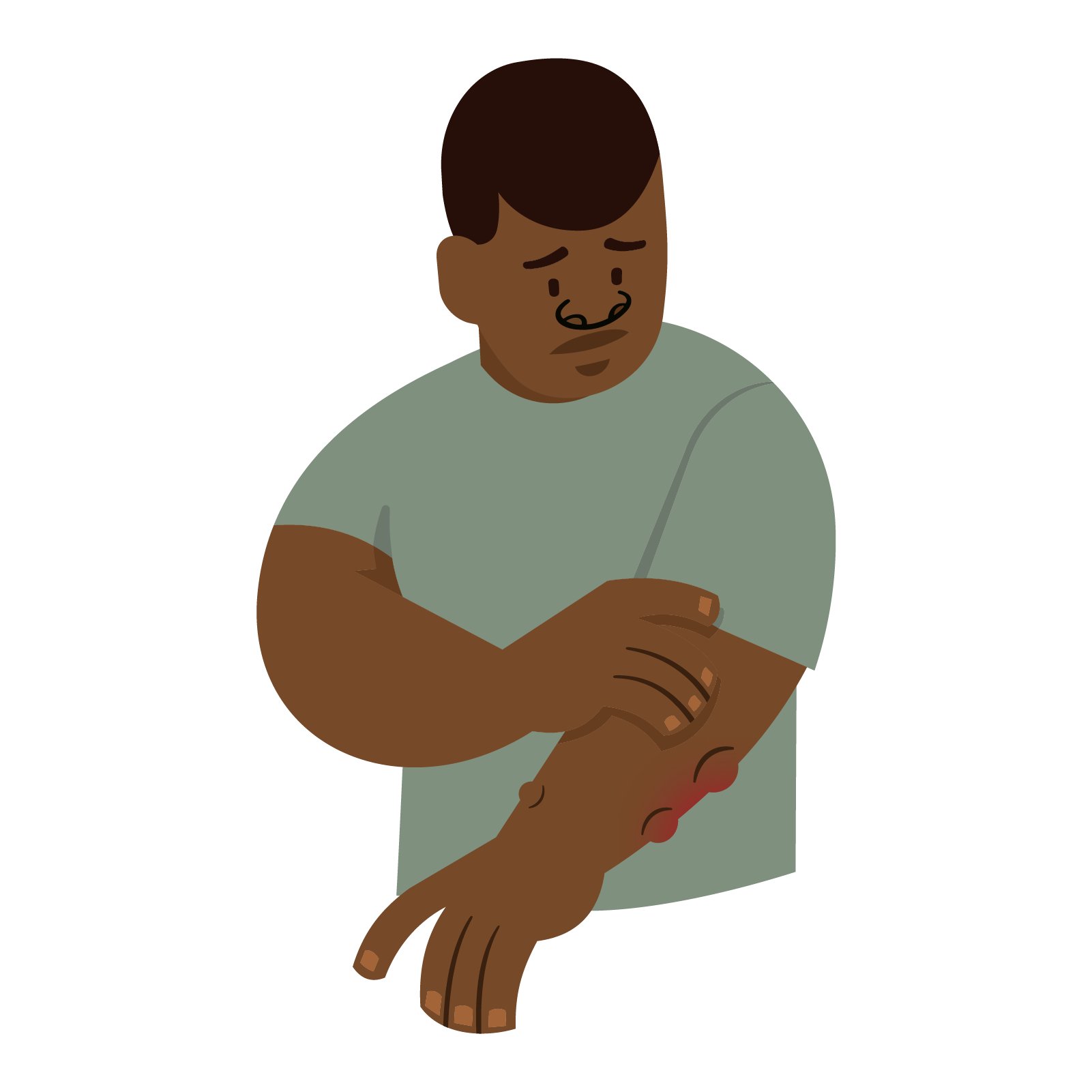
Skin: small lumps under the skin around the joints (subcutaneous nodules) or a painless rash (erythema marginatum). Skin symptoms are rare.
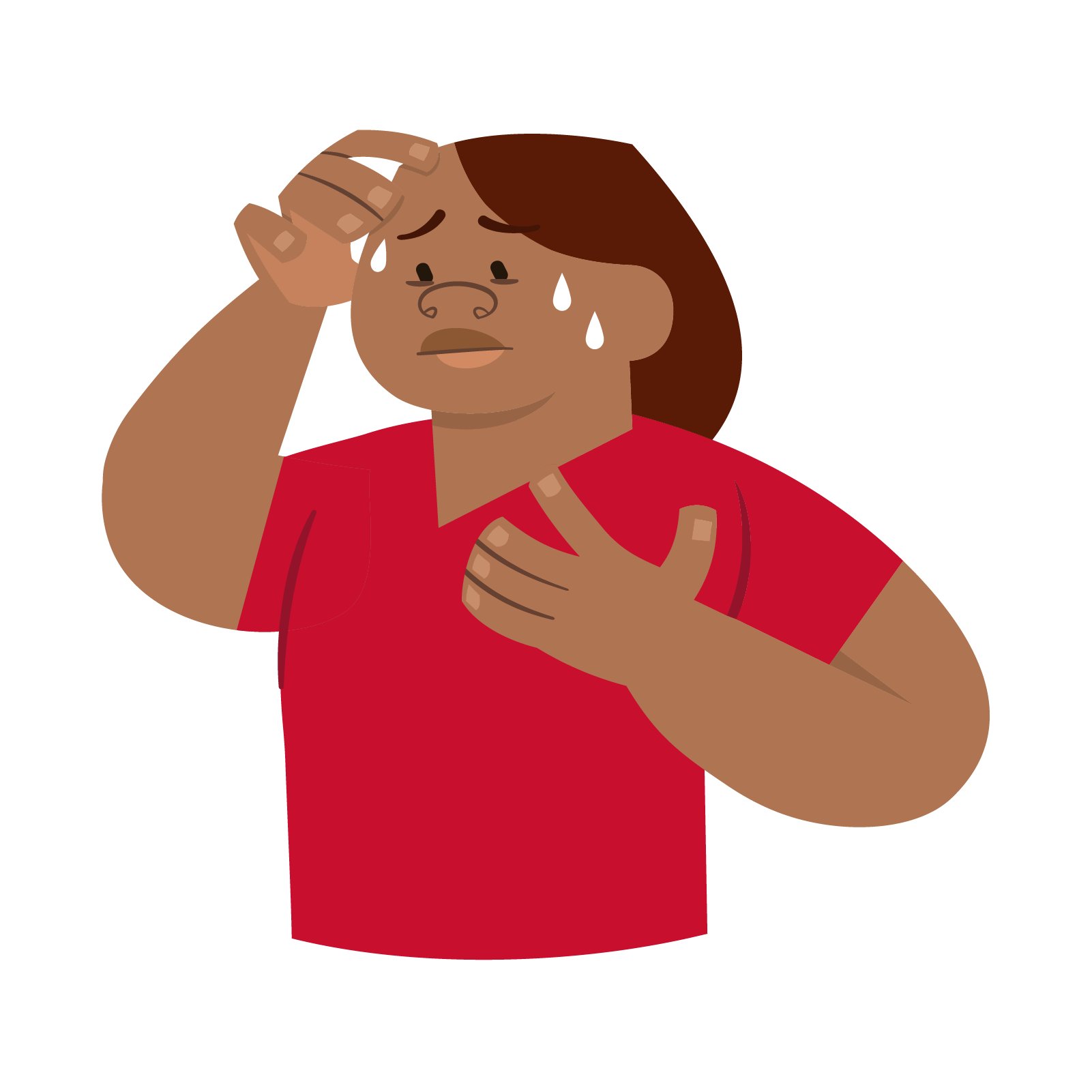
Fever: hot and cold chills.
People who have rheumatic fever may have one or more of these symptoms, but not usually all of them. Symptoms usually last a few weeks, although the jerky movements may last for a few months.
See your doctor or healthcare professional if you have any of these symptoms and are concerned about rheumatic fever.
What is rheumatic heart disease?
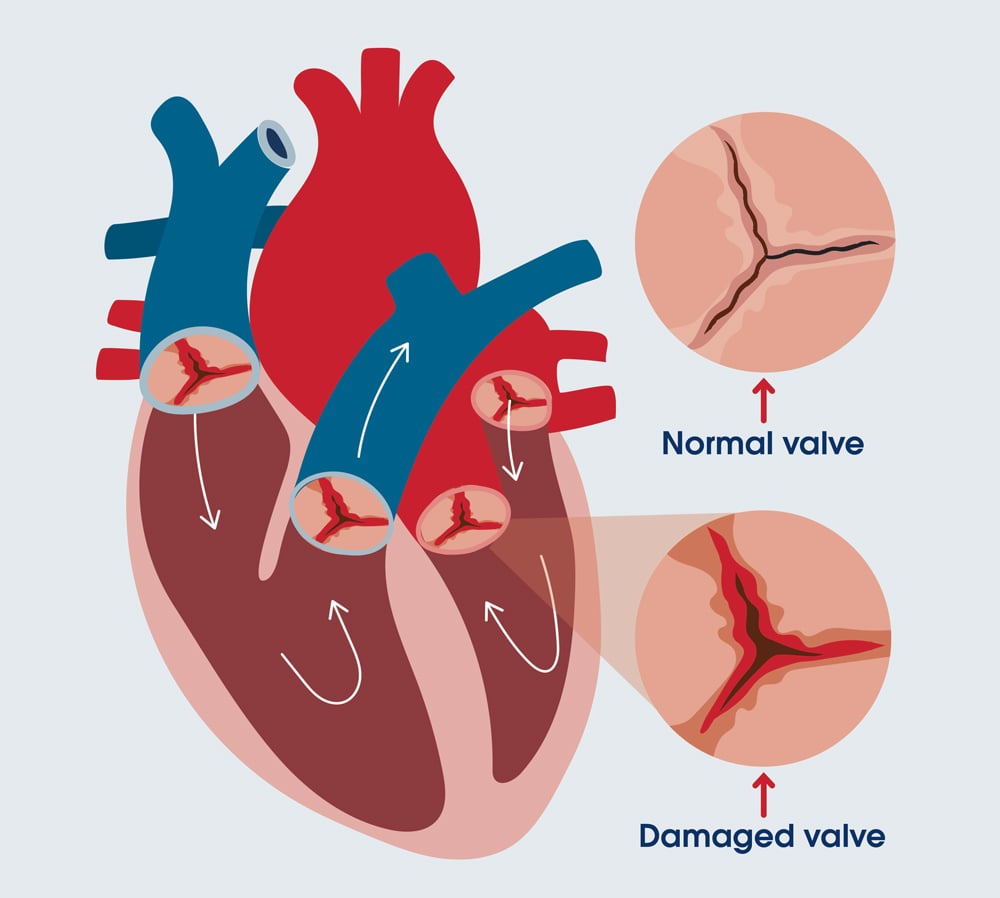
Rheumatic heart disease is damage to one or more of the heart’s valves after having rheumatic fever.
There are four valves in the heart which open and close with each heartbeat to keep the blood flowing in one direction. If a valve is damaged, the blood may not flow through the heart properly.
Having rheumatic fever again and again can cause more damage to the heart over time. Symptoms of rheumatic heart disease may not be noticed for many years.
If rheumatic heart disease is not diagnosed and not treated, the heart works harder to control the blood flow, and this can lead to heart failure and life-threatening conditions like stroke and abnormal heart rhythms.
How to stop the spread of Strep A germs

Cover skin sores to stop the spread of germs
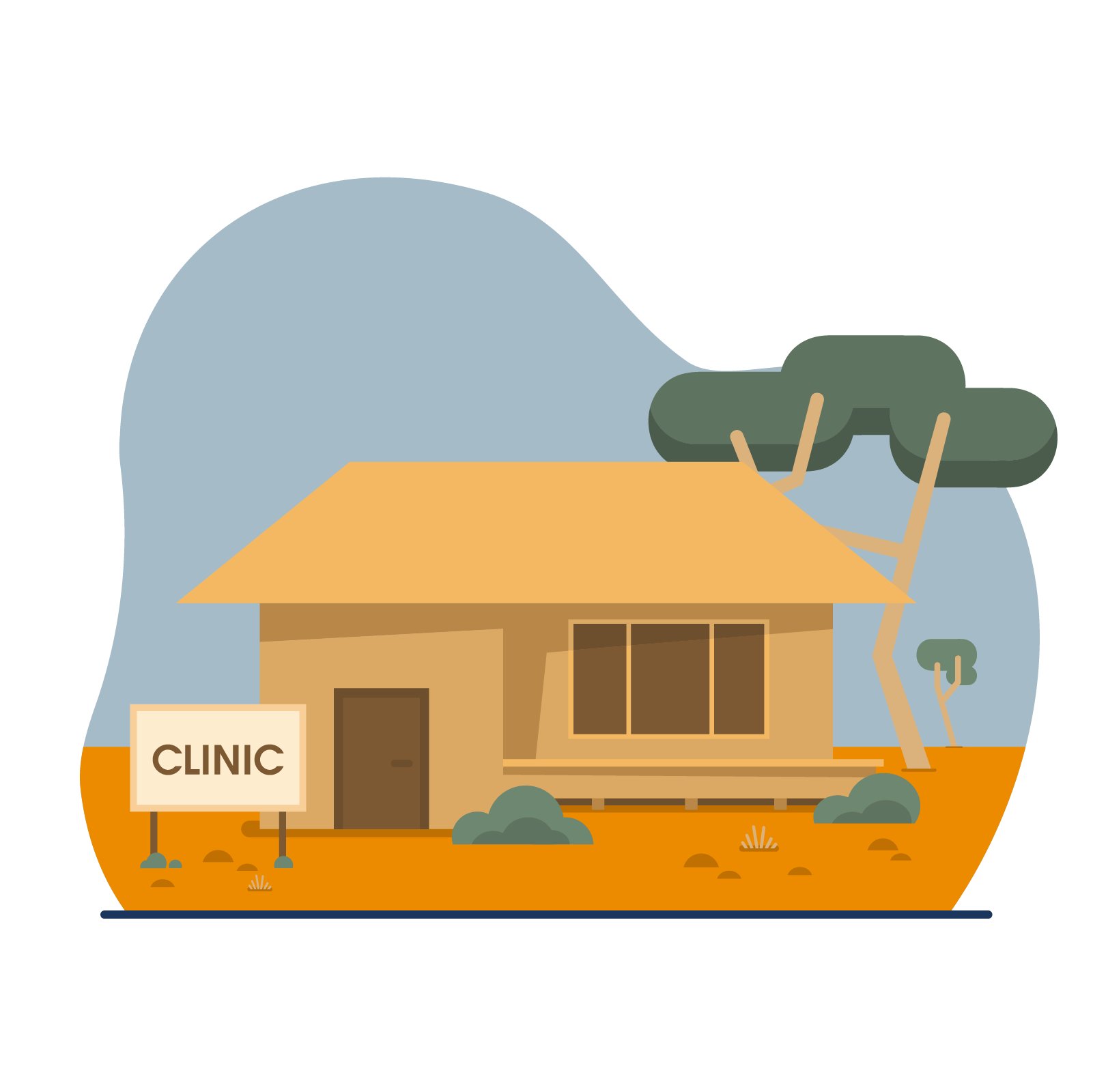
Go to the clinic as soon as you notice a sore throat or skin sores

Wash hands

Shower daily to keep skin clean

Wash clothes, bedding and towels often to keep the germs away

Hang washing in the sun and air out mattress
How are acute rheumatic fever and rheumatic heart disease diagnosed?
- Rheumatic fever is diagnosed by a doctor who looks at symptoms and does tests including heart scans (electrocardiogram and echocardiogram) and blood tests.
- Rheumatic heart disease is diagnosed by echocardiogram (ultrasound of the heart).
- International and national guidelines are used in Australia to help diagnose rheumatic fever and rheumatic heart disease.
How is rheumatic fever treated?
- People who have had rheumatic fever can stay strong and healthy by keeping up with regular medical care from a health professional.
- Treatment includes long-term antibiotics to help stop further Strep A infections and stop ARF from coming back. This keeps the heart strong.
- Penicillin needles are given every 21-28 days to help protect the heart from Strep A. The penicillin works very well if given regularly for many years.
- Antibiotic tablets are available for people who cannot have needles or who are allergic to penicillin.

How is rheumatic heart disease treated?
People who have rheumatic heart disease need to be under the care of a medical professional. With regular care, they can live strong, healthy lives.
Treatment for everyone:

Penicillin needles on time every 21-28 days to stop rheumatic fever coming back.
.png)
Regular tests, including echocardiograms (ultrasound on the heart)

Regular check-ups with the doctor and dentist.
Other treatment if required:

Specialist care for pregnant women.

Surgery to fix the heart valves.
Understanding acute rheumatic fever and rheumatic heart disease
ARF and RHD explained
Acute rheumatic fever and rheumatic heart disease are preventable heart conditions. Experts and communities discuss how to end RHD in Australia.
Champions4Change
A First Nations-led program for people living with acute rheumatic fever and rheumatic heart disease
Michael’s Story
Learn what to do if your child or family member has an episode of acute rheumatic fever.
Red Dust RHD Program - Minjilang
Young people in Minjilang, a small community on Croker island 250km northeast of Darwin, on what acute rheumatic fever and rheumatic heart disease is.
Take Heart: Deadly Heart
Powerful content that shines a light on the impact of acute rheumatic fever and rheumatic heart disease in Australia.
Ending Rheumatic Heart Disease: Tenaya’s Story
Aged just seven, Tenaya underwent emergency life-saving surgery to repair her heart valve as a result of developing RHD.
Champions4Change (C4C)
The Heart Foundation actively collaborates with First Nations communities, stakeholders, and health services to end rheumatic heart disease in Australia. One approach is through our Champions4Change program.
The Champions4Change program is a national program led by First Nations people with lived experience of rheumatic fever and rheumatic heart disease.
Champions come together and use their cultural knowledge and voices to help others understand what it means to live with rheumatic fever and rheumatic heart disease. Learn more

There are national guidelines to support the prevention, diagnosis and management of rheumatic heart disease.
Explore the RHD clinical guidelines for health professionals.
Last updated20 July 2026
Last reviewed12 February 2026