Breaking new ground in heart health: Lubdub’s begins clinical studies
/
/
Breaking new ground in heart health: Lubdub’s begins clinical studies
Project update: 19 November 2025
Lubdub is transforming heart diagnostics with wearable medical devices
In collaboration with leading hospitals, research organisations, and community health cohorts, Lubdub is pioneering a suite of accessible, non-invasive tools designed to make heart diagnostics simpler, faster, and more equitable for everyone.
These innovations include:
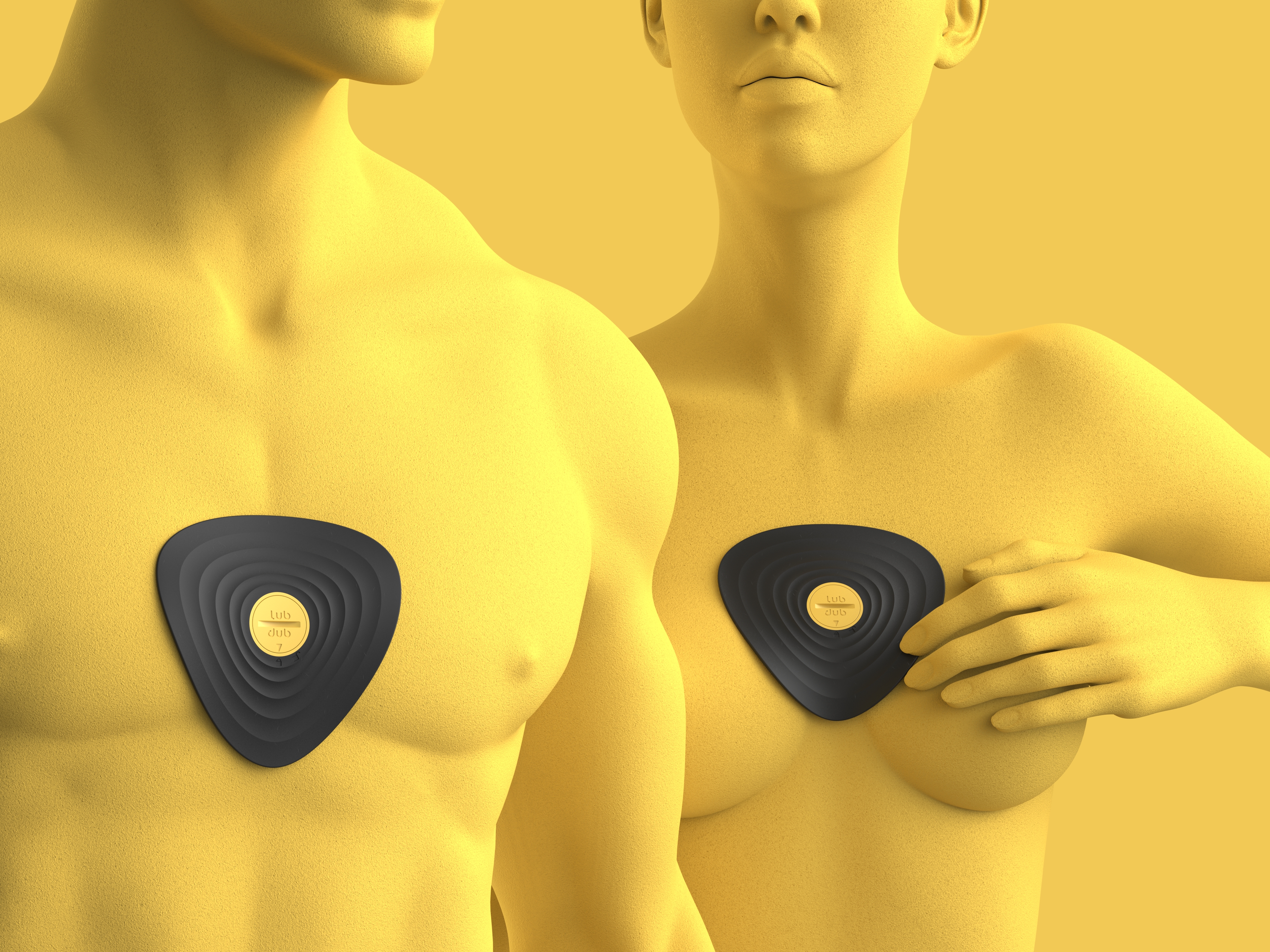
- a wearable ECG patch that monitors heart rhythms continuously for up to two weeks,
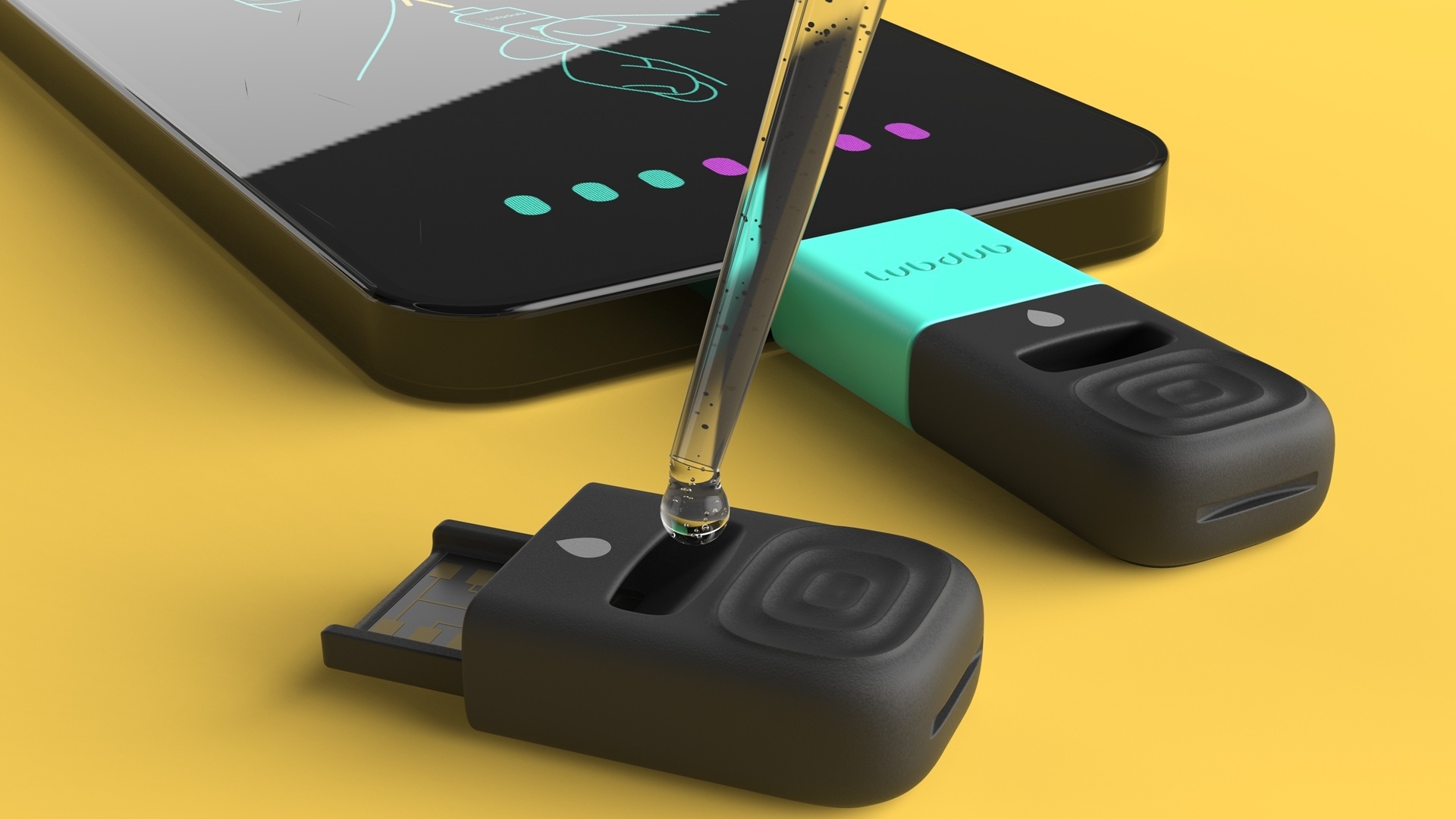
- a saliva-based test that detects key cardiac biomarkers without a blood draw, and
- a wireless ultrasound device that captures heart images from home.
Together, they represent a leap forward in proactive, accessible care – transforming how heart disease is detected and managed.
From hospital to home: testing next-generation cardiac monitoring in metro health centres
The first stage of Lubdub’s studies is taking place across leading metropolitan healthcare centres, where clinicians are trialling the company’s new wearable ECG patch and saliva-based biomarker test with patients already undergoing cardiac evaluation.
The goal is simple - to compare Lubdub’s technologies directly against current hospital-grade diagnostics and determine whether patients can receive equally reliable results from more comfortable, lower-cost, and mobile solutions.
By embedding innovation within existing hospital workflows, the team is creating a blueprint for how advanced diagnostics can be integrated seamlessly into everyday clinical practice – without adding cost or complexity.
Reaching beyond the city: expanding access through community health studies
Following success in metro hospitals, Lubdub’s research is extending to community cohorts and regional health programs, where access to cardiac testing is often limited by geography and resources.
In these settings, the same technologies are being tested to understand their potential for remote and preventive use – allowing individuals to monitor their heart health from home or within their local community centre, rather than travelling long distances for specialist appointments.
These studies mark an important step in addressing the growing inequity between urban and regional healthcare.
By bringing hospital-grade diagnostics to the community, Lubdub is empowering clinicians and individuals alike to detect cardiac risk earlier, act sooner, and save lives.
Transforming emergency care: saliva testing for faster, safer diagnosis
The next frontier for Lubdub’s innovation lies in the emergency department, where time is everything. A new study is evaluating Lubdub’s saliva-based diagnostic device as a rapid triage tool for patients presenting with chest pain or shortness of breath – symptoms that could signal a heart attack, heart failure, infection, or blood clot.
The device can detect critical biomarkers (such as Troponin, BNP, CRP, and D-Dimer) in under ten minutes, all from a simple saliva sample. This eliminates the need for a blood draw, reducing delays and freeing up clinical staff to focus on the most urgent cases.
By enabling faster and more accurate decision-making, the technology has the potential to transform how emergency departments prioritise and manage patients – improving safety, efficiency, and outcomes for thousands of Australians each year.
Lubdub shares the Heart Foundation’s belief every human deserves a healthy heart and the chance to live a full life. Our purpose is to save saveable lives and improve quality of life by giving people and their care teams tools which are faster, better and clinically proven.
Dr Nikhilesh Bappoo
Co-Founder and Director, lubdub
As Lubdub and the Heart Foundation continue this journey, they share one powerful belief: that no life should be lost because healthcare was too complex, too late, or out of reach.
Get in touch
If you have any questions or would like more information about this Catalyst Partner or the Catalyst Partnership Grants, please get in touch.
Subscribe
Sign up to stay in touch with Catalyst updates.
You might also be interested in...
.jpg?width=560&height=auto&format=pjpg&auto=webp)
Catalyst Partnership Grants
The Heart Foundation's Catalyst Partnership Grants are bringing big ideas to life and changing the cardiovascular landscape in Australia and beyond.
Heart health in a box
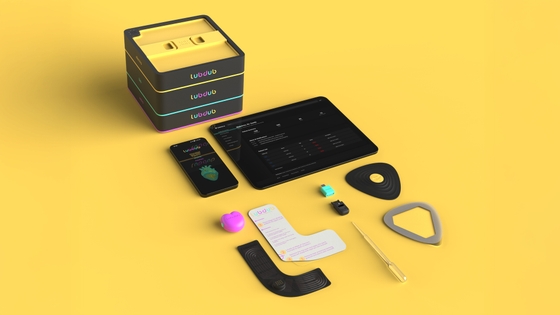
Introducing Heart health in a box, a home heart health kit with a wearable ECG patch, saliva biosensor, and wireless ultrasound brings cutting-edge monitoring to your doorstep.

Improving the prevention and management of stroke
Focus will be on understanding recently identified changes in the incidence of stroke in younger people and women, as well as the divergence in cardiovascular health between men and women across the life course. Together, these studies will inform better interventions to prevent stroke.
Last updated21 November 2025